Archive for July, 2011

July 28, 2011

Herbs abound

Posted by Chie

I have a small herb garden with lemon thyme, sage, parsley and rosemary. My partner grows cilantro, which is sensitive to heat and bolts when the weather changes. When we’re able to harvest it on time, it’s dark green with chlorophyll and is the most fragrant cilantro you’ve ever tasted.

Cilantro grown by Rising River Farm

The fresh, tender-leaved herbs such as cilantro, basil, Italian parsley, mint and dill I use regularly in the warmer months for salads, condiments, a mouth freshener and even using for a little wrap to pick up a bite of smoked salmon – “pinchy pockets” we call them. Just a few small sprigs of dill, mint, or basil in a green salad adds flair. When sauteeing vegetables, I like to add some fresh chopped oregano or basil for a little wow. Try adding fresh basil to fried rice as well.

I use the heartier herbs in stews and add them to roasted vegetables. And many are medicinal. Thyme, sage and rosemary have anti-bacterial properties that aid us through the colder months and seasonal transitions.

Basil grown by Kirsop Farm

Today I’m sharing a versatile compound butter recipe for fish, poultry, veggies, and grains. Try with coconut butter if you avoid dairy or don’t eat butter. Create your own combinations and enjoy!

Herbed butter

1 stick unsalted organic butter*, cool but softened

½ bunch fresh thyme

1/3 bunch fresh sage

1/3 bunch fresh rosemary

3 -6 cloves garlic, mashed to a paste

Celtic sea salt

freshly ground black pepper

Or

1 stick unsalted organic butter, cool but softened

1 bunch basil leaves, chopped

½ bunch cilantro, chopped

1 lime or lemon, zest and juice

3 – 6 cloves garlic, mashed to a paste

Celtic sea salt

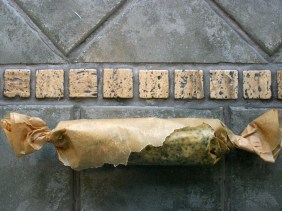
Place all ingredients in a medium bowl. Whisk with a fork until well combined. Use immediately or form into a log shape on one side of a piece of parchment paper. Roll in the paper and pinch in the sides. Tape if necessary. This can be refrigerated or frozen to store. Enjoy by cutting chunks for veggies, fish, roasted chicken or grains.

*Butter is sometimes shunned for its high content of saturated fats. It’s tasty and has been around for a long time. I think there must be something to that. Butter and coconut oils are what I use to cook with most of the time. Our bodies need fats to absorb nutrients from veggies. I recommend The Good Fat Cookbook by Fran McCullough to learn more about “whole foods” fats.

Ceci salad

4-6 cups cooked chick peas**

2 bunches spinach or chard , washed and stems trimmed off if using a bunch of spinach. Baby spinach can be used as well.

½ bunch fresh oregano leaves, chopped

Balsamic vinaigrette (recipe follows)

Bring a medium pot of water to a boil. Have a bowl of ice water ready near by. Blanch the cleaned spinach or chard by tossing it into the water and stirring for a minute or so, just until wilted. Drain and plunge the drained greens into the ice water (shock) for about a minute. Drain and gently squeeze the liquid out. Chop into bite-sized pieces.

Combine chick peas, greens and oregano.

When thoroughly combined, add some of the vinaigrette and taste. Keep adding to adjust to your liking. Let the salad sit for 1 hour or so for the flavors to marry. Enjoy!

*Canned will work but I like to cook my own. I usually cook a pot of beans every week so I can make variations with them for a quick meal throughout the week. If you have a crock pot, it takes longer to cook, but works well. [Jenni's note: I cook them in a pressure cooker. I soak overnight and cook on high pressure for about 18 minutes.] To cook dried beans, pick through and discard rocks and dirt clumps, if any. Wash well and soak overnight. Drain and rinse well. Place in a medium pot and bring to a boil, skimming off any foam. Turn down to a simmer and cook until just starting to soften. Add salt and cook until easily mashed with a fork.

Balsamic vinaigrette

½ c balsamic vinegar

1 tsp Dijon mustard

2 cloves garlic

½ c extra virgin olive oil

½ – 1 tsp honey

1 tsp Celtic sea salt

Freshly ground black pepper

Combine all ingredients into a jar with a lid. Shake well. Enjoy!


Making herbed butter


July 25, 2011

Fresh herbs

Posted by Jenni

An herb plant seems more ancient to me than a tomato plant in its cage or sugar snaps bobbing on their trellised runners. Noodling around in an herb garden feels familiar, even practiced. In an old-world kind of way.

When I work my knife over a small mound of cilantro, my nasal passages filling up with the woodsy, deep scent, I’m not so different from the legions of women who have chopped, ground and torn the leaves into pots and skillets over the centuries.

But I’m not emotionally attached to the long histories of popular herbs, or to the lore surrounding them, even though they inform and interest me. Lemon balm has been said to ensure longevity, rosemary to chase off illness and evil, parsley to kindle love, but knowing this is not what makes me nostalgic in the herb garden.

It’s the surplus of good scents. The pine forest of rosemary. The slow burn of sage. The sweet, wild promises of mint and basil.

I cook with fresh herbs for the flavor, of course. Dried basil flakes from a bottle don’t have the full, fresh taste of a pillowy basil leaf from the garden. Chives and cilantro lose their character once they’ve been dried. Fresh herbs taste real. They’re the nonfiction of the herb world.

But the way they smell, that opens the door to fiction. One whiff of fresh dill and my mind concocts a miniature scene set in another herb garden, long ago. I understand, even before I add it to my butter-sauteed carrots, why dill has been cultivated since 3000 BCE and earlier. I understand because it smells incredible.

Scent makes the long journey of herbs accessible. This keeping of herb gardens, this using of the harvest to make our meals savory and fine; this trips the collective memory, this is something we have always done.

Trying to measure scent, though, is an inexact business. The only tools we have at our disposal are subjective. Alluring, lyrical, sweet; earth, rain, bark; floating, fine, fair – no word quite captures what you smelled when you plucked that first basil leaf of the season, pinched it off the stem with your fingernail, brought the bruised end to your nose and inhaled…something. What did it remind you of? Chilled melons by the pool? Herbed biscuits at the county fair? The tender air when you walked home one night after a hard rain? Before film captured images, there were canvas, paint, paper, ink. Before sound recording, there were paper and ink and words to describe the scream or rustle or scrape.

But, scent? We still have just paper, ink, voice recorders, pixels – words – to capture the immediacy of scent. How can we be sure it’s the same experience the people had before us? How can we know if the “Hot lavender, mints, savoury, marjoram” in William Shakespeare’s writings smelled the same as ours do today? How can we even describe it to the person on the other end of the phone?

At any rate. You see why herbs make me think? I’m glad it’s summer and that we’re in the middle of a season when we can, quite easily, inhale the fresh scents of garden herbs almost any time.

One place to find them is at the market. This week I saw parsley, basil, dill and cilantro (all from Rising River Farm, pictured above), and gorgeous baskets of mint. From my own garden, I’m enjoying pinches of basil in salads (we’re still eating Chie’s version from last week) and preparing to make enough traditional pesto to freeze some for the winter. After all the interesting versions I made earlier this summer, I’m looking forward to the option of basil pesto on my pasta.

As for this week’s recipe, go ahead and grab a bunch of basil. If there’s a change of plans before Chie posts a recipe on Thursday, I’ll update this post.

Enjoy your beautiful, fresh, fragrant herbs this week.

July 21, 2011

Cherry basil vinaigrette

Posted by Chie

My family and I are eating fruit more than we do during any other season. The cherries from Eastern Washington; blueberries, blackcap raspberries, thimbleberries, red raspberries, strawberries, red currants -  so many berries are bursting with sweetness.

I usually like to eat my fruit separate from everything else – to enjoy the full flavor of the fruit and for better digestion. But this is a recipe I was inspired to make to celebrate the Eastern Washington cherry season.

Cherry Basil Vinaigrette

1 ½ c Bing cherries, pitted

1/3 c apple cider vinegar

2/3 c extra virgin olive oil

½ tsp sea salt

1 bunch basil leaves

ginger, to taste (optional)

Blend all ingredients together until smooth. You may choose to add a couple of tablespoons of water to thin it out, but I like it thick as it is. Dress a salad of butter lettuce, torn basil leaves, sliced fennel bulb and radishes.

July 18, 2011

O, cherry tree

Posted by Jenni

Every time I go out to water my little garden, I dabble in the shade of the old cherry tree in our front yard. Its canopy stretches over one of the raised beds, the one I fill up with greens.

It needs more attention than we’ve given it. I don’t know how old it is, but it’s huge, the bark is curling in places and there’s a rotting spot in the crook between the main trunk and a giant, low branch. Sap is oozing from a few places on the trunk, amber and crystallized.

A visit from an arborist is in order. But despite my neglect, I love this faithful tree. Puffs of rose-hued blossoms float outside the window of the guest bedroom in the spring. Moss crawls down its trunk to meet a smooth oval rock and volunteer greenery. Its bark turns black at dusk.

I was all ready to tell you how sad I am that this tree doesn’t produce much anymore. Last year, we couldn’t even fill a colander with the sweet-tart fruits.

But yesterday I went to see the tree for the first time since returning from a vacation. I found this:

Last year, the space between the ripe cherry pairs could be measured in body lengths.

When I saw the hanging feast, I dragged two ladders from the side of the house and picked a bowlful in ten minutes. Is it a good year for cherries? Or is our old tree shouting out one last hurrah?

Our problem will be getting to the high-up branches. I suppose we’ll be sharing with the birds, whose legendary feasting landed them a billing in the Latin name for the wild or sweet cherry: Prunus avium.

Even after we’ve picked all we can, I’m told we’ll get to feast our eyes on smooth, taut cherry skins in market stalls until August. My advice: eat as many as you can before they’re gone.

If you do, you’ll be boosting your intake of antioxidants and indulging in nutrients such as beta carotene, vitamin C and potassium. But mostly you and I both will just be swooning.

Enjoy and come back later this week ready to make something delicious.

%d bloggers like this: